RADA Leads Hurricane Melissa Recovery Efforts Across Affected Farming Communities
In the wake of Hurricane Melissa, Jamaica’s agricultural sector experienced significant disruption, with preliminary damage estimates reaching approximately J$1.8 billion. Torrential rainfall, flooding, and strong winds affected major farming belts across St. Elizabeth, Clarendon, St. Mary, Hanover, St. Catherine, and Manchester, leaving crops submerged, livestock facilities damaged, and farm roads eroded.
Within 24 hours of the system clearing the island, the Rural Agricultural Development Authority (RADA) activated its disaster response protocol, deploying extension officers across impacted communities to begin structured assessments and coordinate recovery support.
RADA’s response has been defined by speed, organization, and data-driven decision-making, ensuring that recovery efforts are targeted and practical.
Immediate Response and Damage Assessment
More than 180 RADA extension officers were mobilized island wide to conduct rapid farm-level assessments. Within the first 10 days, officers visited approximately 1,500 farms, covering an estimated 6,500 hectares of agricultural land. Using digital reporting tools and field evaluations, the teams documented crop losses, infrastructure damage, soil erosion, and livestock impacts.
Preliminary analysis indicates that:
Vegetables accounted for roughly 40 percent of reported crop losses, particularly cabbage, tomato, sweet pepper, cucumber, and callaloo due to waterlogging and fungal exposure. Banana and plantain fields experienced up to 30 percent structural damage, including uprooting and snapped pseudostems.
Root crops such as yam and dasheen represented 15 to 20 percent of losses, mainly from hill washouts and soil displacement.
The livestock subsector reported housing damage affecting approximately 90 poultry houses, impacting an estimated 85,000 birds in small and medium-scale operations.
Localized damage to irrigation lines, drainage systems, and farm roads further compounded production setbacks.
This comprehensive assessment has enabled the Ministry of Agriculture, Fisheries and Mining to prioritize resources and align recovery support where it is most urgently needed.
Technical Support: Moving from Shock to Structured Recovery
RADA’s intervention quickly shifted from damage documentation to active technical guidance. Extension officers worked directly with farmers to outline replanting strategies tailored to local conditions. In severely affected vegetable belts, farmers were encouraged to plant short-cycle crops such as lettuce, pak choi, cucumber, and callaloo to restore income within four to six weeks.
Soil rehabilitation has been a major focus. Officers advised:
- Aeration of compacted soils
- Application of organic compost and manure to restore nutrient balance
- Balanced fertilizer reapplication to replace nutrients lost through leaching
- Raised bed systems in flood-prone areas
- Strategic mulching to preserve soil structure
In hillside communities, contouring techniques and reinforced drainage channels have been recommended to prevent repeat erosion. Officers are also monitoring increased pest and disease risks, particularly fungal outbreaks and diamondback moth activity in brassica crops, which tend to spike after prolonged moisture exposure.
The goal is clear; ensure recovery is strategic, not rushed.
Input & Infrastructure Support
To accelerate restoration, RADA coordinated the distribution of:
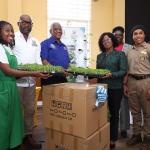
- 3,500 vegetable seed packages
- 28,000 banana and plantain suckers
Fertilizer assistance for approximately 650 small-scale farmers
Technical livestock support to poultry and small ruminant operators
In partnership with marketing boards and private distributors, RADA has facilitated linkages to stabilize supply chains and minimize post-harvest losses. Early projections indicate that with coordinated replanting, vegetable production could return to 85 to 90 percent of pre-hurricane levels within 8 to 10 weeks.
Where farm roads were temporarily compromised, RADA collaborated with local authorities to prioritize access routes critical for transporting produce to markets.
Climate Resilience & Lessons Learned
Hurricane Melissa has reinforced the urgency of climate adaptation within Jamaica’s agricultural sector. Rather than treating recovery as a return to “business as usual,” RADA is positioning this period as an opportunity for transformation.
Climate-smart agriculture principles are being integrated into post-recovery outreach, focusing on:
- Improved farm layout and drainage design
- Establishment of windbreaks
- Diversification of crop portfolios to spread risk
- Adoption of resilient crop varieties
- Enhanced disaster risk management planning
Over the next quarter, RADA plans to host at least 20 climate resilience workshops across the most affected parishes, reaching an estimated 800 farmers. These sessions will address farm preparedness, record-keeping for disaster claims, and practical adaptation measures.
RADA’s strategy is proactive, reducing vulnerability before the next extreme weather event occurs.
Economic & Food Security Impact
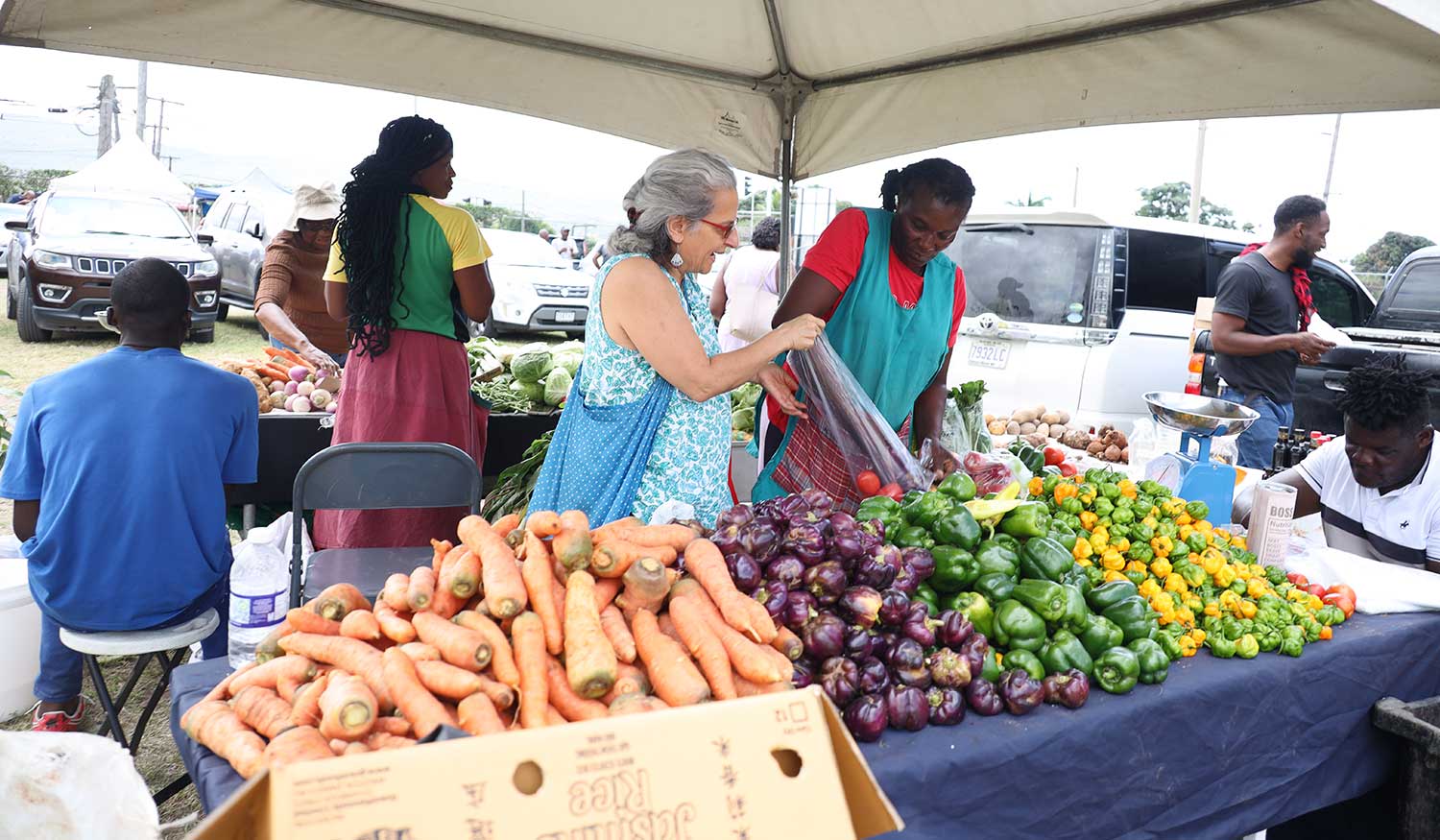
Agriculture remains central to Jamaica’s rural economy and domestic food security. Rapid recovery is essential not only for farmers’ livelihoods but also for maintaining stable food prices.
Without intervention, projections indicated potential vegetable price increases of 15–20% over a two-month period. However, accelerated replanting and input support are expected to moderate price fluctuations and restore consistent market supply.
By supporting farmers through recovery, RADA is helping to protect:
- Rural employment
- Domestic food availability
- Market stability
- National food security objectives
The quick mobilization has reassured both farmers and consumers that the agricultural sector remains resilient despite climate challenges.
Continued Monitoring & Commitment to Resilience
RADA’s work does not end with initial support. Extension officers will continue farm visits over the next three months to monitor crop recovery, emerging pest pressures, and soil conditions. Data systems remain active to track progress and inform ongoing interventions.
Upcoming programmes will include expanded disaster risk management training, strengthened farmer registration updates, and enhanced climate-smart agriculture outreach.
Hurricane Melissa presented a serious test for Jamaica’s farming communities. Yet through coordinated action, strong extension services, and the resilience of farmers themselves, recovery is steadily advancing.
Agriculture is not only rebuilding, it is modernizing, adapting, and strengthening its foundation for the future.